Watch This Before You Start a Dumpster Rental Business
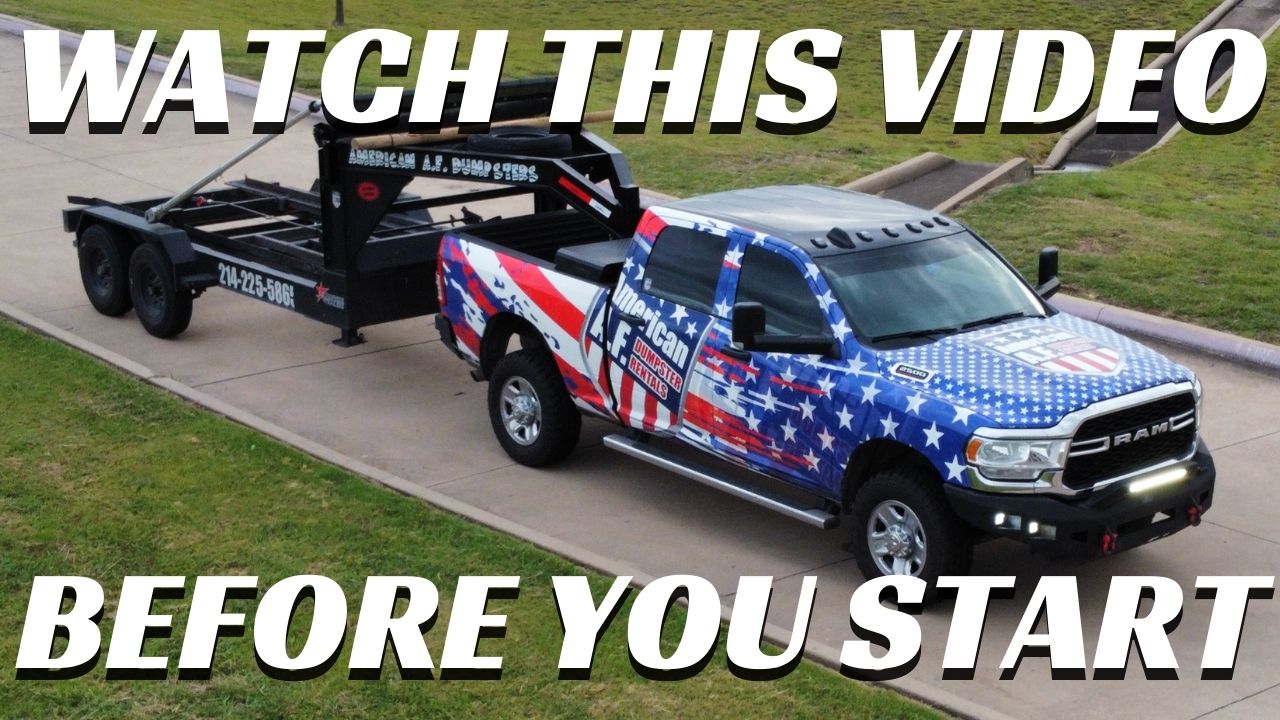
This is an old one, but still a good one! While watching this, keep in mind that I made this video back several years ago. Lots of things till apply, some not as much as others.
Starting a dumpster rental business can be one of the most profitable and recession-resistant service businesses available today—but only if you start the right way. This guide breaks down real-world lessons learned from building American 🇺🇸 AF Dumpsters™️ from the ground up and explains what new operators need to know before spending money on trucks, trailers, and dumpsters.
If you’re researching how to start a dumpster rental business, this article exists to help you avoid common mistakes, control startup costs, and build a profitable operation from day one.
Understanding Dumpster Rental Pricing and Profitability
One of the biggest mistakes new dumpster rental companies make is underpricing their services. Dumpster rental rates vary widely by market, but racing to the bottom on price is a fast way to kill profitability.
Before offering dumpster rentals, research local dump fees, fuel costs, insurance, equipment payments, and maintenance expenses. If you’re charging $150 for a dumpster that costs nearly $100 just to dump, you’re working for free.
Sustainable pricing allows businesses like American AF Dumpsters to grow, reinvest, and continue providing reliable rolloff dumpster service.
Choosing the Right Truck to start a Dumpster Rental Business
Your truck is the backbone of your dumpster rental operation. For most operators, a three-quarter-ton truck (F-250, 2500 series, or larger) is the minimum recommended vehicle for hauling rolloff dumpsters safely and legally.
Key considerations include:
- Staying under 26,000 lbs combined GVWR to avoid CDL requirements in many states
- Gas vs diesel based on budget, fuel usage, and long-term plans
- Avoiding half-ton trucks for heavy dumpster hauling
Selecting the right truck early helps reduce breakdowns and ensures dependable rolloff dumpster delivery.
Dumpster Trailers vs Rolloff Trucks
New operators often debate between buying a rolloff truck or starting with a dumpster trailer. While rolloff trucks and hook lift trucks offer maximum efficiency, many businesses start with a 14,000-lb dumpster trailer to control startup costs.
When choosing a trailer, standard rail systems are strongly recommended. Standard rail dumpsters provide flexibility, allowing you to source dumpsters from multiple manufacturers instead of being locked into one brand.
This flexibility is critical for scaling a dumpster rental business without overspending on proprietary equipment. Looking for a quality rolloff dumpster rental? Check out our sister company, American AF Trailers for a full inventory of rolloff trailers, from Keystone Waste Solutions rolloff trailers, Couger Manufacturing Rolloff Trailers, Cam-Concept Hooklift Trailers and others!
Dumpster Quality Matters More Than You Think when you Start A Dumpster Rental Business
Not all dumpsters are built the same. Consumer-grade dumpsters often use thinner steel and lower-quality paint, leading to faster wear and higher long-term costs.
Heavy-duty rolloff dumpsters may weigh slightly more, but they last significantly longer and maintain a more professional appearance—especially important for construction dumpster rentals and commercial customers.
Companies like American AF Dumpsters prioritize durable equipment that performs reliably across residential, commercial, and construction job sites.
Insurance, LLCs, and Protecting Yourself
Before delivering your first dumpster, you need to protect yourself legally and financially. Proper insurance and business structure help separate personal assets from business risk.
Most dumpster rental businesses require:
- Commercial truck insurance
- General liability insurance
- A properly formed LLC or corporation
This protection ensures that one accident doesn’t jeopardize your home, savings, or future.
DOT, CDL, and Legal Considerations
DOT and CDL requirements vary by state, making research essential before launching operations. Many operators aim to stay under weight thresholds to avoid unnecessary regulatory complexity.
Understanding local regulations helps you operate legally while keeping overhead manageable—especially during the early stages of growth.
Marketing When You Start a Dumpster Rental Business
Getting the phone to ring is just as important as having equipment. Early-stage marketing should focus on free and low-cost channels, including:
- Online business directories
- Local contractor relationships
- Job site visibility
- A professional website
A strong online presence helps customers find trusted dumpster rental providers like www.AmericanAFDumpsters.com when they need fast, reliable service.
Final Thoughts: Start Smart, Grow Strong
If you want to start a dumpster rental business, success comes from smart planning, realistic expectations, and steady execution—not shortcuts. Starting small, choosing the right equipment, and reinvesting profits will help you build a dependable, scalable operation.
This blog exists to share real-world insights from inside the dumpster rental industry and help new operators avoid costly mistakes while building something that lasts.