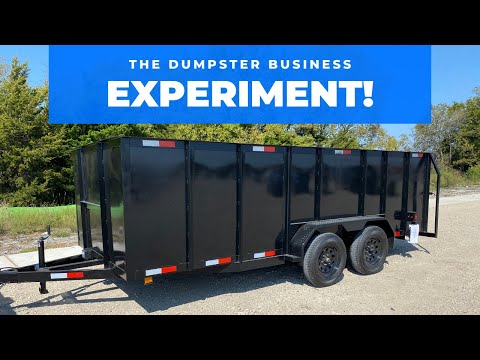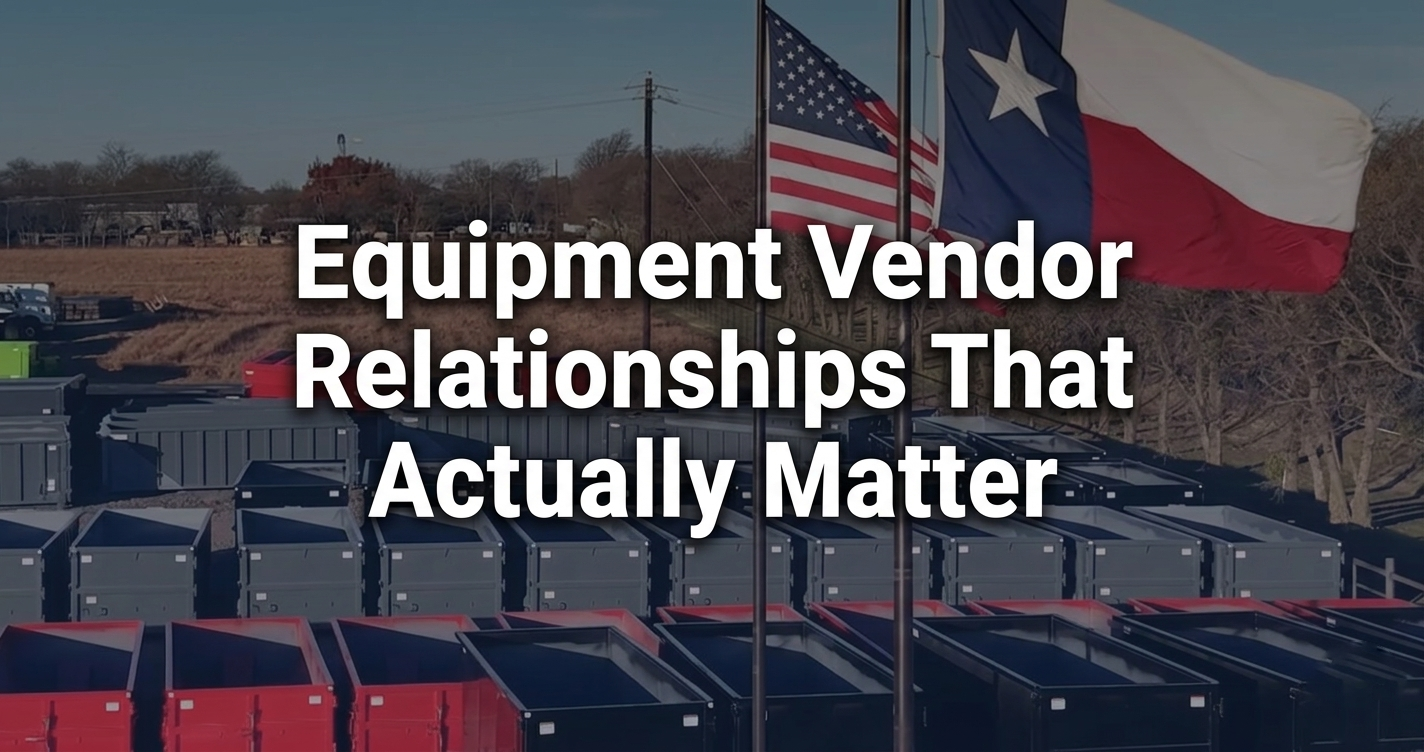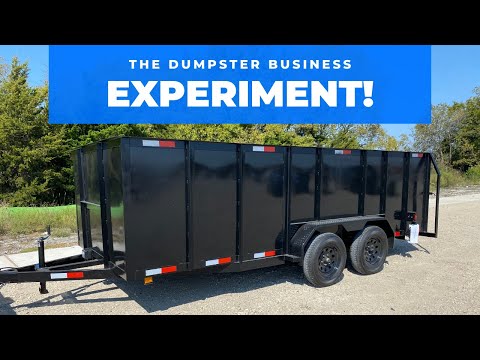
One of the most common questions I get is why I chose dump trailers over traditional roll-off dumpsters when I started American AF Dumpsters in Dallas–Fort Worth. It is a debate that comes up in every dumpster business group online, and there is no single right answer. Both have their place. But after running both dump trailers and roll-offs, I have a clear opinion on which one makes more sense for most people getting into this business. Here is the full breakdown based on my real-world experience.
Why I Started With Dump Trailers
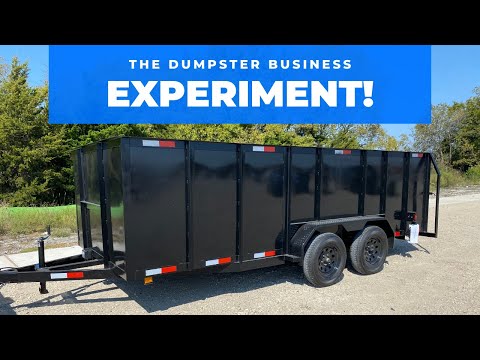
When I was getting into the dumpster rental business, the startup cost was a major factor. A decent dump trailer runs anywhere from five to fifteen thousand dollars depending on size and condition. A roll-off truck and container setup can easily cost fifty thousand or more just to get started. For someone bootstrapping a business, the dump trailer path makes it possible to get rolling with a fraction of the capital. I was able to buy my first dump trailer, hook it up to my existing truck, and start taking bookings the same week. No CDL required, no specialized equipment, just a trailer and a pickup truck with enough towing capacity.
Startup Costs: Dump Trailers vs Roll-Offs
The numbers tell the story. A 14-foot dump trailer costs roughly eight to twelve thousand dollars new. You can find used ones for even less. Your tow vehicle might be a truck you already own. On the roll-off side, you need a specialized hook-lift or cable truck that runs thirty to sixty thousand dollars used, plus roll-off containers at two to four thousand each. To match the capacity of three dump trailers, you are looking at significantly more money tied up in equipment before you earn your first dollar. For someone who wants to start a dumpster rental business with minimal capital, dump trailers are the obvious entry point.
Flexibility and Versatility
Dump trailers give you options that roll-offs do not. When I am not renting my dump trailer for dumpster service, I can use it to haul materials, do clean-outs, or even move equipment. Try doing that with a roll-off container. A dump trailer is a tool that serves multiple purposes, which means it can generate revenue in more ways than one. I have used my trailers for everything from hauling gravel to helping people move large items. That versatility is valuable, especially when you are building a business and need to maximize every asset you own.
Where Roll-Off Dumpsters Win
I am not going to pretend roll-offs do not have advantages, because they absolutely do. The biggest one is efficiency at scale. With a roll-off truck, you can drop a container at a job site and drive away in minutes. Your truck is free to go pick up or deliver another container immediately. With a dump trailer, you leave the entire trailer at the job site, which means your truck is out of commission for hauling until you pick it up. If you are running five or more units and doing multiple deliveries per day, the roll-off system is faster and more efficient. Roll-off containers also tend to hold more volume since they come in larger sizes like twenty and thirty cubic yards.
When It Makes Sense to Add Roll-Offs
I eventually added roll-off dumpsters to my fleet as the business grew. The tipping point came when I had enough consistent volume to justify the investment in a roll-off truck. If you are doing ten or more rentals per week and spending more time driving back and forth to swap trailers than actually growing your business, it is time to look at roll-offs. But for the first year or two, dump trailers let you learn the business, build your customer base, and figure out your market without a massive financial commitment. I have talked to too many guys who went all-in on roll-off equipment from day one and ended up underwater because the volume was not there yet to cover the payments.
Maintenance and Operating Costs
Another factor people overlook is ongoing costs. Dump trailers are simpler mechanically. You are dealing with a hydraulic pump, a battery, tires, and basic trailer maintenance. A roll-off truck has all the complexity of a commercial vehicle plus the hook-lift or cable system. When a roll-off truck breaks down, the repair bills can be significant and you might be out of commission for days. When a dump trailer has an issue, parts are cheaper and most repairs can be done in your driveway. Over the long run, the lower operating costs of dump trailers add up, especially when you are reinvesting every dollar back into the business.
My Recommendation for New Operators
If you are just getting started, go with dump trailers. Period. Learn the business, build relationships, and figure out your pricing before you take on the debt and complexity of roll-off equipment. Once you have steady volume and proven demand in your market, then consider adding roll-offs to increase your capacity and efficiency. The operators I see struggling the most are the ones who over-invested in equipment before they had the customer base to support it. Start lean, grow smart, and let the business tell you when it is time to level up.
One more thing worth mentioning is resale value. Dump trailers hold their value surprisingly well. If you decide the dumpster rental business is not for you, or if you want to upgrade to a bigger trailer, you can sell a used dump trailer for close to what you paid for it. The demand for used dump trailers stays strong because so many people are getting into this business. Roll-off trucks depreciate faster and are a harder sell because the buyer pool is smaller. That makes dump trailers a lower-risk investment all around, which matters a lot when you are putting your own money on the line to start something new.
Whether you run dump trailers, roll-offs, or both, the fundamentals of running a great dumpster rental business are the same. Check out our guides on marketing your dumpster business, making six figures with dump trailers, and loading a roll-off dumpster for more real talk from the field. And if you need a dumpster in Dallas–Fort Worth, book with American AF.