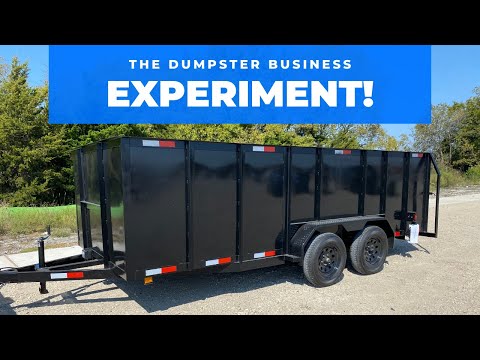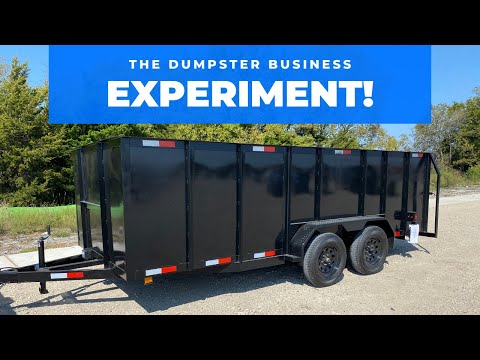
Unhooking a gooseneck trailer seems simple, but if nobody ever showed you the right way, you can damage your truck bed, your trailer, or worse, get hurt. I made a quick video walking through the process, and in this post I am going to break it down step by step so you can do it safely and efficiently every single time.
Step 1: Park on Level Ground
Before you start unhooking anything, make sure your truck and trailer are on a flat, level surface. Trying to disconnect a gooseneck on a slope is asking for trouble. The trailer can roll, shift, or put unexpected pressure on the hitch. If you do not have level ground available, chock the trailer wheels before you start the disconnection process. This is the kind of basic step that people skip when they are in a hurry, and it is the kind of shortcut that leads to damaged equipment.
Step 2: Lower the Trailer Jacks
Your gooseneck trailer has front jacks that support the coupler weight when the trailer is not connected to a truck. Before you can unhook, you need to lower those jacks until they are supporting the front of the trailer. Use the hand crank or power jack to bring them down until the weight starts to come off the truck bed and onto the jacks. You want the jacks bearing enough weight that when you release the hitch, the trailer stays put and does not slam down on your truck.
Step 3: Disconnect the Safety Chains and Electrical
Once the jacks are supporting the trailer, disconnect your safety chains from the truck. These are the chains that run from the trailer coupler to your truck frame as a backup if the hitch fails. After the chains are off, unplug the electrical connector. This is the plug that powers your trailer lights, brakes, and turn signals. Store the chains and plug neatly so they do not drag on the ground when you pull away. Dragging chains on pavement will destroy them and throw sparks everywhere.
Step 4: Release the Hitch
Now comes the actual unhooking. Your gooseneck hitch has a locking mechanism that holds the trailer coupler ball in place. The release process depends on your specific hitch type, but generally you pull a handle or lever to unlock it. Some hitches have a pin that needs to be pulled first. Once the lock is released, the coupler should lift free from the ball. If it is stuck or binding, use the jacks to adjust the height slightly until the coupler releases cleanly. Never force it because that usually means the weight is not balanced correctly.
Step 5: Raise the Jacks and Pull Away
With the coupler released, use the jacks to raise the front of the trailer high enough that the coupler clears the ball in your truck bed. You need enough clearance that when you pull forward, the trailer coupler does not catch on the ball or the truck bed rails. Once you have clearance, slowly pull the truck forward and out from under the trailer. Do not gun it. A slow, controlled pull-away prevents any accidental contact between the trailer and your truck. Once you are clear, lower the jacks the rest of the way until the trailer is stable and level on its own.
Common Mistakes to Avoid
The most common mistake I see is people trying to unhook without lowering the jacks first. The entire weight of the trailer coupler is sitting on your truck bed, and when you release the hitch without jack support, all that weight drops. At best you dent your truck bed. At worst you damage the hitch assembly or the trailer coupler. Always support the trailer with jacks before you start disconnecting.
Another common mistake is forgetting to disconnect the electrical plug before pulling away. That plug and cable are not designed to handle the force of a truck driving forward. You will rip the wiring right out of the trailer and then you are dealing with an electrical repair before your trailer lights work again. Take the 10 seconds to unplug before you move the truck.
One more thing worth mentioning: maintain your gooseneck hitch and coupler. Grease the ball regularly, inspect the locking mechanism for wear, and replace safety chains that show any signs of rust or fatigue. A failed hitch at highway speed is catastrophic. These are cheap, easy maintenance items that take five minutes but could save your life and the life of everyone behind you on the road.
Hooking Back Up Is the Reverse
When you are ready to hook the trailer back up, the process is the reverse. Back your truck so the ball is under the trailer coupler, lower the coupler onto the ball, engage the hitch lock, connect the safety chains, plug in the electrical, and raise the jacks. Always do a tug test before you drive: pull forward gently with the brakes on to confirm the hitch is fully locked. Then check that all your lights are working before you hit the road.
If you are working alone, the process takes a little more patience because you are going back and forth between the truck cab and the trailer. Consider investing in a wireless backup camera that gives you a view of the hitch from inside the cab. It makes lining up the ball and coupler much faster when you do not have a spotter guiding you.
Why This Matters for Your Dumpster Business
If you are running a dumpster business with gooseneck trailers, you are hooking and unhooking multiple times a day. Getting this process dialed in saves you time and prevents expensive damage to your equipment. A dented truck bed or a broken coupler is money out of your pocket and downtime you cannot afford. Teach everyone on your team the right way to do it and make it a habit.
For more tips on running a dumpster operation, check out my posts on how to load a roll off dumpster and starting a dumpster rental business. And if you need a dumpster in Dallas-Fort Worth, American AF Dumpsters handles the hauling so you do not have to worry about hitches, trailers, or any of this.