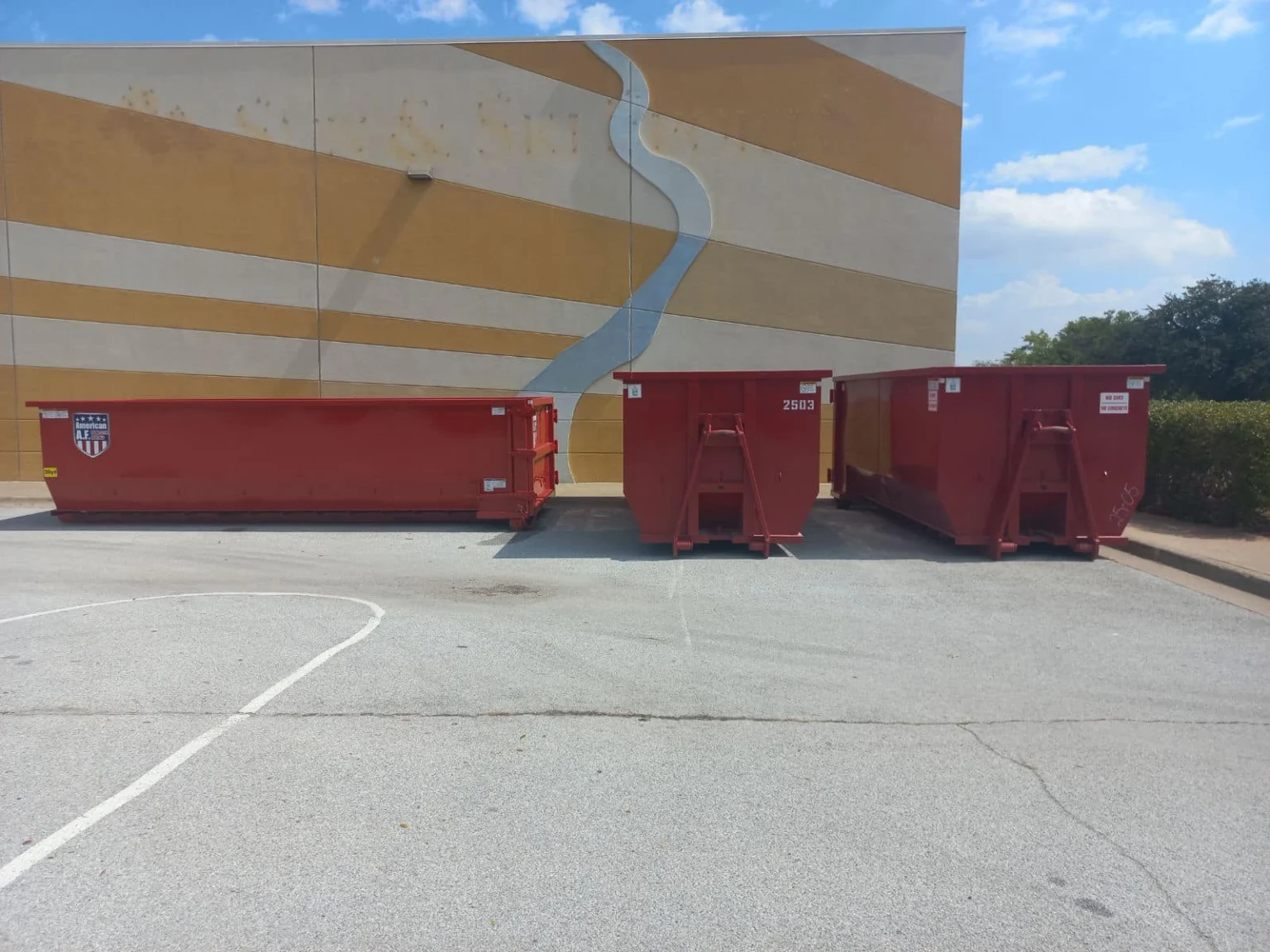
Multi-bin setups for Fort Worth sites keep demo flowing, aisles open, and invoices predictable. Give each material its own home and the crew stops double handling. Wood and drywall move to one container, tile and mortar to a small heavy box, and exterior debris like concrete or soil to a dedicated bin. With clear lanes and labeled drops, lifts get shorter, stacks stay safe, and the site looks professional from the street.
Why The Right Mix Of Containers Changes The Schedule
One oversized container invites mixing heavy shards with light trash, which spikes tons and slows pickups. A tuned mix does the opposite. Small boxes catch dense debris before it balloons to overage, large boxes soak up airy volume, and the driver can tarp in minutes because every bin is level and clean. Trades can stage, load, and reset without stepping around loose piles, so you hit milestones instead of slipping a day at a time.
What To Decide Before You Place The Order
Walk the building and list debris streams by phase. If interior walls, ceilings, and flooring come out first, expect lots of drywall and wood plus pockets of tile and mortar. If you are doing flatwork outside, plan for concrete or dirt on a separate order. Most Fort Worth projects run well on a seven day cycle; if your sequence is longer, book staggered deliveries tied to demo day, frame day, and punch-out. Confirm space for the truck: about sixty feet of straight approach with clear overhead.
Where Each Dumpster Should Sit On A Fort Worth Site
Put the heavy bin on the shortest path from the tile break or slab demo area so crews are not hauling dense debris across the lot. Set the light debris container near the main exit from the work area so doors swing toward the opening and materials go straight in. Keep fire lanes and dock doors open. When jobs face busy streets or schools, add cones and a panel screen to keep traffic calm and the site tidy.
Finding the Best Dumpster Size in Fort Worth
| Dumpster Size: | Best For: | Notes on Volume & Weight |
| 10-yard | Dense loads: tile,mortar, brick, small concrete breaks | Fills quickly by weight before reaching full height |
| 20-yard | Wood, drywall, flooring, bagged trash | Flexible workhorse for mixed household or remodel debris |
| 30-yard | Large interior tear-outs with bulky, light material | Ideal when volume is high but weight is moderate |
| 40-yard | Big commercial cleanouts with very light, bulky waste | Not suited for heavy debris; requires strict loading rules |
How Capacity And Weight Affect Your Budget
Drywall and studs can fill a 20 or 30 yard without stressing the scale, often landing around three to four tons in a 20 yard with mixed house trash. Tile and mortar are different; a half full 20 yard of tile can meet or exceed common included tons. Concrete runs heavier still, which is why a clean 10 yard concrete bin is the safer call. If you are unsure, split dense debris across two small boxes and schedule a midday swap to control tons.
Pricing That Makes Sense For Multiple Bins
Local dumpster pricing in Fort Worth is built from five pieces: the base rate per size, the included tonnage, the overage rate per ton, the number of rental days, and the swap fee. Ask for bundle pricing when you need two or more boxes; many providers sharpen rates when they can plan routes for a multi-bin site. You will compare offers faster if you request those same five-line items from each hauler instead of only the headline price.
Local Practices And Rules To Keep Jobs Moving
Driveway placement is fastest on residential projects and usually needs no permit. Street placement may require a right of way approval, especially near intersections or alleys. Summer wind can scatter light debris, so close doors and tarp every evening. Heat softens asphalt and stresses new concrete; set boards or mats under rails on fresh slabs and cul de sacs. Some HOAs ask for limited hours and covered loads; a quick notice to neighbors reduces complaints on longer jobs.
Mistakes That Waste Time And Money
Mixing paint or liquids into demo, piling above the rail, or pushing tile into a 30 or 40 yard without a weight plan are common ways to trigger refusals and fees. Another quiet budget killer is calling for swaps after crews run out of room; book swaps the day before, not the hour after, and you will avoid idle crews and overtime.
Two Field Proven Layouts You Can Copy
- Interior remodel layout: one 20 yard at the main exit for wood, drywall, cabinets, flooring; one 10 yard close to the tile break for tile and mortar. Swap the 20 yard when you move from demo to trim so you start fresh for bagged trash and packaging.
- Patio or drive breakup layout: one 10 yard beside the breaker path for clean concrete only; one 15 or 20 yard for forms, soil, pallets, and packaging. Keep the concrete bin clean to access better dump rates.
Fast Ordering Checklist for Foremen
- Reserve two sizes, set delivery windows, confirm included tons, overage per ton, days included, and swap fees in writing
- Place boards for driveway protection, print simple bin signs in English and Spanish, and post the swap time on the site board
Crew Communication And Site Signage
Every bin needs a one line rule sheet taped to the door that says what goes in and what stays out. Start each morning with a sixty second huddle to point crews to the correct container for that phase and to repeat the scheduled swap time. Assign one person to check bin levels at lunch and again mid afternoon so dispatch gets a timely call if you need to move the schedule up.
Frequently Asked Questions For Multi Bin Setups In Fort Worth
How do I stage bins on a narrow infill lot without blocking trades?
Tuck the heavy 10 yard at the nearest opening to the tile or slab work and set the 20 yard parallel to the longest wall near the primary exit. Leave a full truck lane clear and keep doors facing the work zone so materials do not pivot in tight spaces.
What labels or signs keep loads clean with mixed crews?
Use large color blocks plus short bilingual text such as Wood Drywall Only on the 20 yard and Tile Mortar Only on the 10 yard. Place identical signs where debris is generated so sorting starts at the source.
When should swaps happen on a multi trade remodel?
Tie swaps to milestones rather than guesses. For example, book the heavy 10-yard swap late morning on tile demo day, and the light 20-yard swap at the end of day when drywall and cabinets finish coming out. If storms threaten, move the swap earlier to avoid wet weight.
How can I avoid overweight tickets on projects that mix tile and drywall?
Keep tile and mortar in a dedicated 10 yard and load it flat across the floor. Put drywall and studs in a 20 or 30 yard. If tile volume is high, split across two small boxes and rotate swaps instead of piling high in a single container.
What should drivers find on arrival to speed service?
Clear sixty feet of straight approach, rails set on boards if on new concrete, doors unlocked and facing the work lane, and cones marking the pad. A ready pad trims minutes at every visit and improves same day swap odds.
Keep Fort Worth Sites Organized with the Right Mix of Bins
Large projects generate very different types of debris. Heavy materials like concrete or brick belong in a smaller container, while lighter waste such as drywall and packaging needs a larger bin. Posting simple loading rules on each container keeps crews consistent, while clear scheduling prevents overflows and delays. This approach not only streamlines the workflow but also keeps your neighbors and inspectors satisfied with the appearance of the site.
Arrange Your Multi-Bin Dumpster Setup Today
Plan ahead by securing both containers before the first day of demolition. Confirm delivery windows, lock down pricing details, and set swap times around major project milestones. With a multi-bin system in place, your crew loads continuously, your site stays orderly, and your project stays on schedule without hidden costs.